Practical Ways to Stop Leaks and Limit Interior Damage Fast
If water is coming through your ceiling, you need to act fast to limit damage. Roof leak repair options for water damage control include temporary tarps, patching shingles, sealing flashing, replacing damaged decking, and improving drainage. The right fix depends on the leak source and how long the problem has been active. Quick action can prevent mold, drywall damage, and structural rot.
Quick Diagnosis: Why Water Damage Spreads Fast
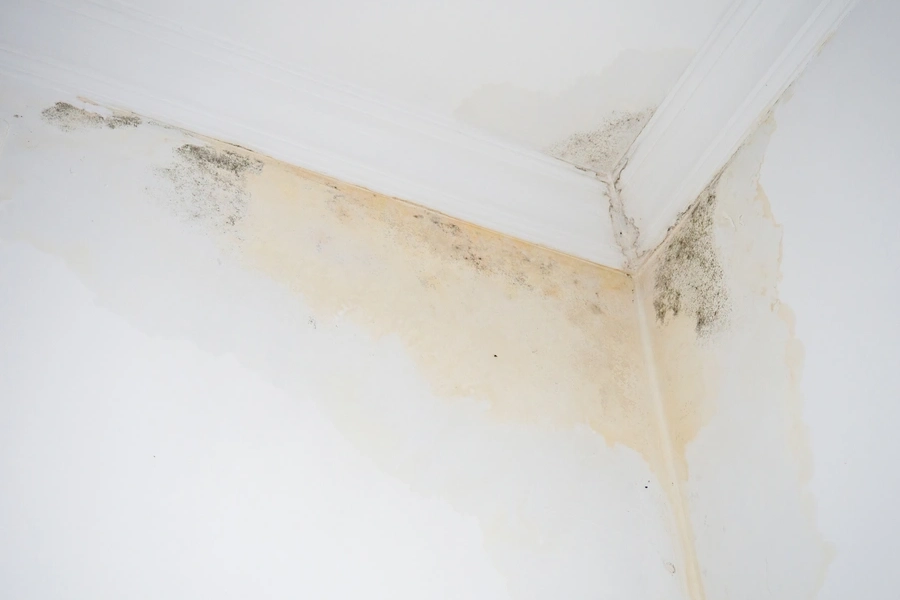
A small roof leak can turn into major damage in days. Water travels along rafters and beams before it drips down. That means the wet spot on your ceiling may not sit under the real problem area. Roof leak repair needs to start at the source, not just where you see stains.
Water damage spreads because materials like insulation and wood soak it up. Once soaked, they stay wet for a long time. This leads to peeling paint, sagging drywall, and even electrical risks.
Common Signs You Have a Roof Leak
You may notice warning signs before water drips into a room. Watch for these:
- Brown or yellow ceiling stains
- Bubbling paint or soft drywall
- A musty smell in the attic
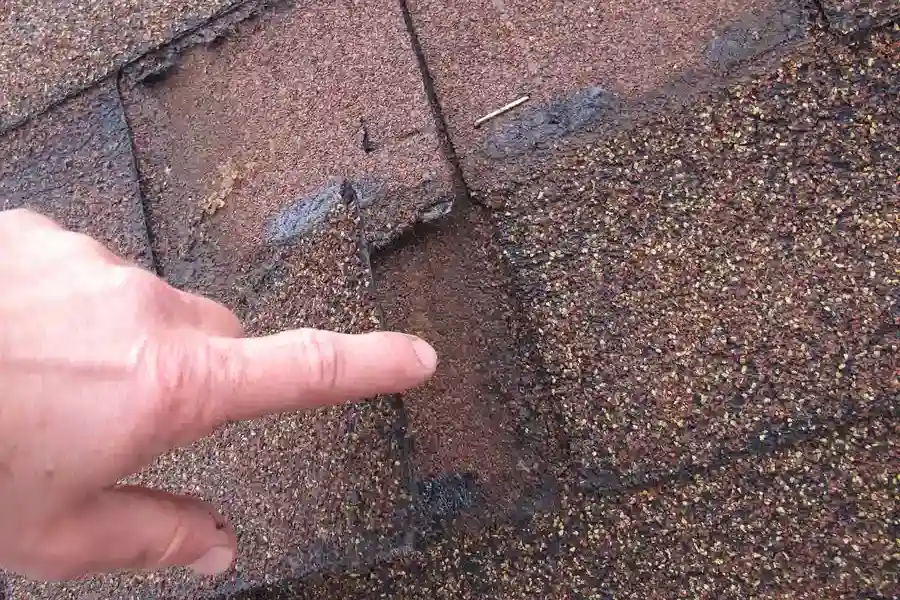
- Missing or curled shingles
- Dripping sounds during rain
Acting early reduces repair costs and keeps the damage contained.
Likely Causes Behind the Leak
Many leaks come from aging shingles or storm damage. Wind can lift shingles and break seals. Heavy rain can push water under weak spots. Flashing around chimneys and vents is another common trouble area.
Clogged gutters also play a role. When water cannot drain, it backs up under roofing materials. In colder climates, ice dams can trap melting snow and force water inside. Poor workmanship during past work can also cause gaps or weak seals.
What to Check First Before Making Repairs
Start inside your attic if it is safe. Use a flashlight and look for wet wood, dark stains, or active drips. Follow the moisture trail upward. Outside, inspect shingles, vents, skylights, and flashing.
If rain is still falling, place a bucket under active drips. Protect floors and furniture with plastic sheets. These steps help control interior damage while you plan roof leak repair.
Safe Fixes Vs. Professional-Level Repairs
Some issues have quick fixes. Others require trained help and proper tools.
Temporary or minor fixes:
- Apply roofing tape to small cracks
- Seal minor flashing gaps with roofing cement
- Replace one or two missing shingles
- Use a tarp for short-term rain protection
These solutions can slow water entry but may not solve deeper damage.
Professional-level fixes:
- Replacing rotted roof decking
- Rebuilding flashing systems
- Correcting poor ventilation
- Full shingle section replacement
If wood framing feels soft or mold is present, the job goes beyond a quick patch. A trained team can find hidden moisture and dry the area properly.
Prevention Tips to Avoid Future Water Damage
Preventing leaks is easier than fixing soaked ceilings. Build simple habits into your routine.
- Inspect your roof twice a year.
- Clean gutters each spring and fall.
- Trim overhanging tree branches.
- Check attic ventilation and insulation.
- Fix small shingle problems right away.
After major storms, do a quick ground-level check with binoculars. Catching loose shingles early can prevent interior damage later.
When It Is Time to Call for Help
If water is spreading across ceilings or walls, do not wait. Electrical wiring and insulation can be affected quickly. Large wet spots, sagging ceilings, or repeat leaks in the same spot point to deeper issues. In these cases, roof leak repair requires more than a surface patch.
Prompt action protects your home’s structure and air quality. Mold can start forming within 24 to 48 hours in damp areas. Fast repairs limit both structural and health risks.
Get Reliable Help in Your Area
If you are dealing with interior water damage in Williston, ND, acting quickly can save thousands in repairs. At Michael's Home Solutions LLC, we inspect the full roofing system and explain the best roof leak repair options for your situation. Call (701) 620-4835 to schedule an inspection and let us help protect your home from further damage.