What Hail Really Does to Your Shingles and Roof Structure
Hail can bruise, crack, and loosen asphalt shingles in just minutes. When hailstones hit your roof, they knock off protective granules and may create small fractures you cannot see from the ground. Over time, those weak spots can turn into leaks, wood rot, and higher repair costs. Understanding how hail damage roof repair works starts with understanding what the storm actually does to your shingles.
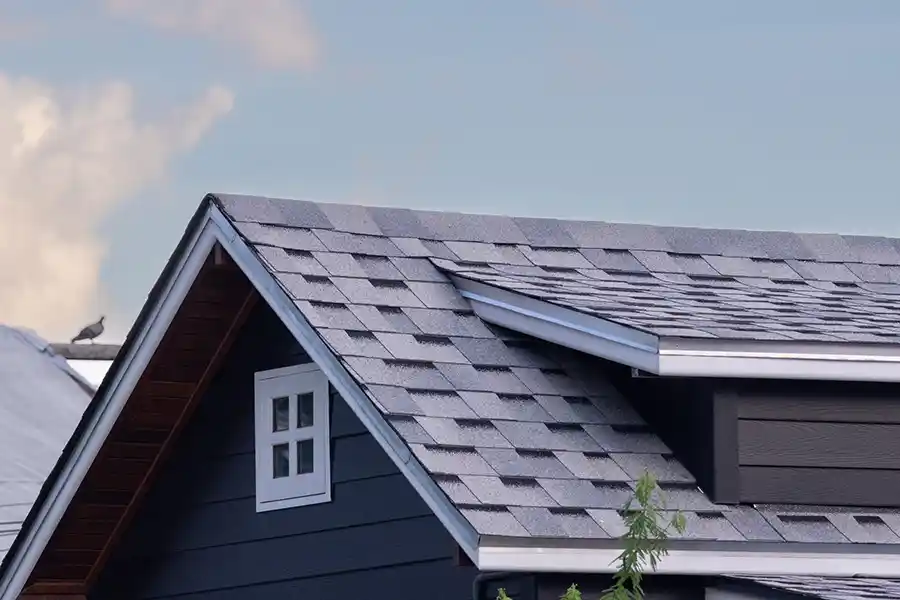
Quick Diagnosis: What Hail Usually Damages
After a hailstorm, asphalt shingles often show impact marks. These spots may look dark or feel soft when touched. The damage may not cause leaks right away, but it weakens the roof system. Flashing, vents, and gutters can also suffer dents or cracks. Even small hailstones can shorten the life of your roof.
Common Symptoms After a Hailstorm
Some signs are easy to spot, while others take time to show. Here are common warning signs homeowners notice:
- Dark spots where granules are missing
- Loose or lifted shingles
- Soft, bruised areas on the shingle surface
- Granules collecting in gutters or downspouts
- Water stains on ceilings or in the attic
If you see one or more of these issues, your roof may need hail damage roof repair before the problem spreads.
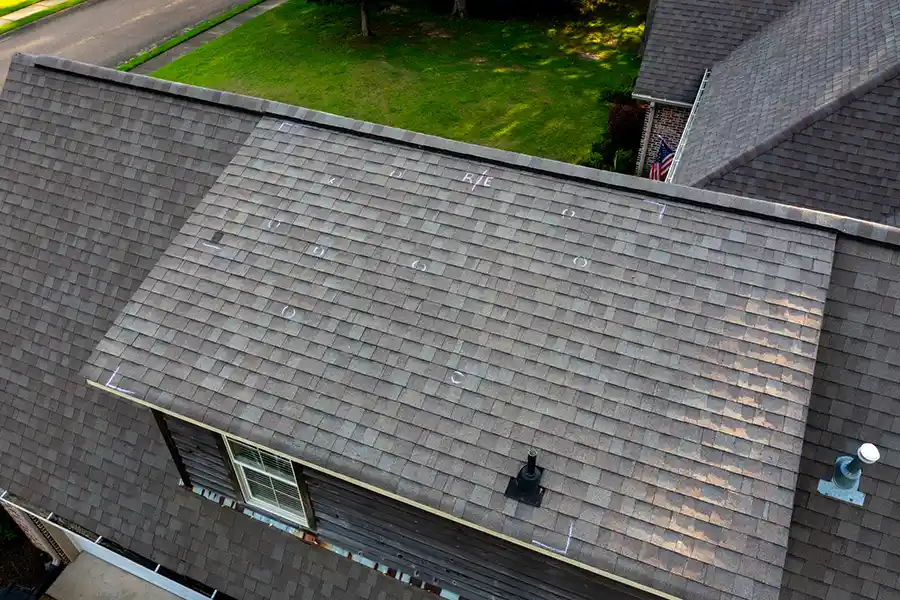
Why Asphalt Shingles Are Vulnerable to Hail
Asphalt shingles are built with a fiberglass mat, asphalt coating, and a layer of protective granules. Those granules shield the shingle from sun and rain. When hail hits, it knocks granules loose and can crack the asphalt layer underneath. Once the surface is broken, water can seep in.
The size, speed, and angle of the hail all matter. A short but intense storm can cause more harm than a long light rain. Older roofs are at greater risk because shingles become brittle with age. Poor attic ventilation can also make shingles wear out faster, making them easier to damage.
What to Check First After a Hailstorm
Safety comes first. Do not climb onto a wet or steep roof. Start by checking the ground and the inside of your home.
- Walk around your home and look for shingle pieces on the ground.
- Check gutters and downspouts for heavy granule buildup.
- Look at metal vents and flashing for dents.
- Inspect your attic for damp insulation or daylight coming through.
These steps can help you decide if you need a closer inspection. If damage appears likely, a professional evaluation is the next step.
Safe Fixes Vs Pro-Level Repairs
Small issues like cleaning out gutters or securing a loose downspout can be simple home tasks. But most roof repairs tied to hail damage roof repair should be handled by trained professionals. Matching shingles, sealing underlayment, and checking structural layers require skill and proper tools.
Temporary fixes, such as roof tar patches, may stop a leak for a short time. Still, they do not solve hidden damage beneath the shingle surface. A full inspection looks at decking, flashing, and ventilation as part of the roofing system.
How to Prevent Future Hail Problems
You cannot stop hail, but you can lower your risk. Regular roof inspections help catch weak spots before a storm hits. Replacing older shingles and improving attic airflow can make your roof stronger.
- Schedule roof inspections once a year
- Keep gutters clean so water drains well
- Trim overhanging tree branches
- Consider impact-rated shingles during roof replacement
These steps support better long-term performance and may reduce the need for frequent hail damage roof repair.
When to Call for Professional Help
If you suspect hail damage, do not wait for a leak to appear. Quick action can limit water damage and protect your home’s structure. Professional roofers can document storm damage, provide repair options, and handle more advanced roofing work safely.
If your home in Williston, ND has been through a recent hailstorm, it is smart to have it checked. At Michael's Home Solutions LLC, our team handles hail damage roof repair and full roofing inspections with care and attention to detail. We can explain what we find and outline clear next steps. Call (701) 620-4835 to schedule an inspection and let us help protect your roof for the long run.